[00:00:11]
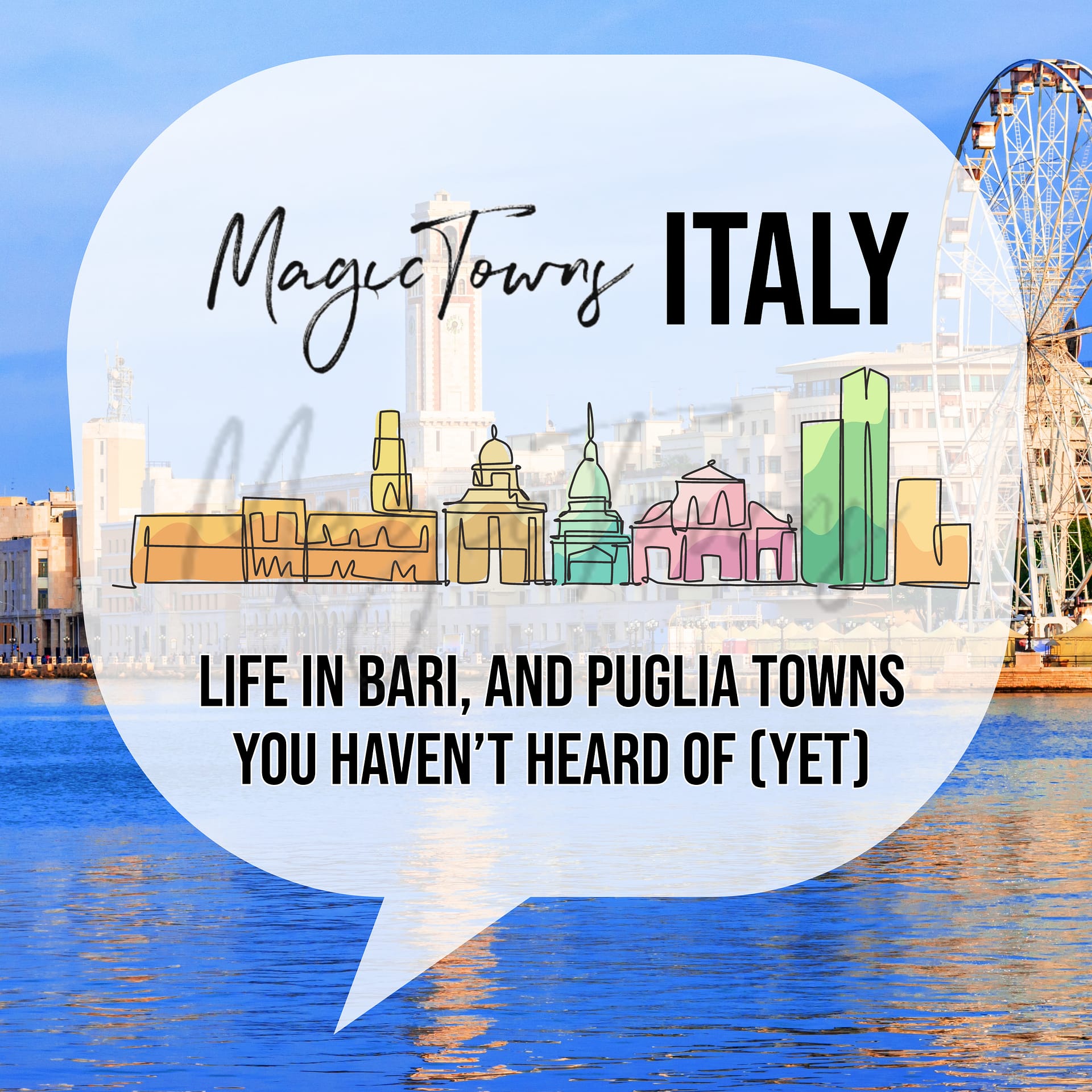
Miles: Today we’re taking a closer look at Bari. It’s this really captivating Mediterranean coastal city, the capital of Puglia down in southern Italy,
[00:00:21]
Alessia: right, Puglia. It’s really getting noticed now, isn’t it? And for good reason. You’ve got those stunning beaches, beautiful clear waters, and generally a, a more affordable cost of living compared to other parts of Italy. So maybe you’re listening and thinking about making Italy your new home, perhaps for a more relaxed retirement
[00:00:41]
Miles: And want a change of scene or even raising a family in a gorgeous setting. If that Southern Italian lifestyle is calling to you, then this deep dive into
Bari is definitely for you. We’re going to explore its history, the whole vibe, what daily life feels like, and the practical side too.
[00:00:59]
Alessia: Yeah. Our mission, so to speak, is to give you a really clear picture of what living in Bari is actually like. We’ll talk about all the great things, the attractions, but also you know, the realities, the potential challenges.
[00:01:12]
Miles: But by the end, you should have a much better sense of whether Bari might be well the right fit for your Italian adventure. Okay, so let’s start with the historical side. Bari’s got some really deep roots, doesn’t it?
[00:01:26]
Alessia: Oh, absolutely. Deep is the word. We’re talking history, stretching way back to the bronze age. And then it became a really key Roman port. So it’s been a hub for thousands of years.
[00:01:40]
Miles: And it wasn’t just the Romans, right? It sounds like lots of different cultures left their mark. Kind of a melting pot,
[00:01:47]
Alessia: definitely a melting pot. Over the centuries you had Normans, Byzantines, Saracens, all sorts of groups passing through or settling, and it was also a major stop off point for Crusaders heading to the Holy Land.
[00:02:03] So that constant mix, that exchange of cultures really shaped the Bari you see today. It gives it unique character. And there’s a big religious connection too. Something about a very famous saint. The Basilica de San Nicola. It’s a huge landmark. Really important for Bari. Um, it’s a major pilgrimage site because it holds
[00:02:28]
Miles: the remains of St. Nicholas, St. Nicholas, Santa Claus.
[00:02:31]
Alessia: Very same. He inspired the legend. Yes. People travel from all over the world to visit the basilica.
[00:02:39]
Miles: Okay, so you have this incredible history layered into the city, but what’s it feel like now? Is it all ancient ruins or is there a modern buzz?
[00:02:47]
Alessia: That’s what’s so interesting. It’s this blend. You can literally be wandering these narrow medieval alleyways in Bari Vecchia, The old town
[00:02:58]
Miles: feels like stepping back in time. I bet.
[00:03:00]
Alessia: Totally. And then. Boom. You turn a corner and you’re in the middle of the modern bustling city. There’s the Fiera Del Levante, a big trade fair that brings in international crowds and a really lively university scene too. Keeps things. Feeling young, you know,
[00:03:22]
Miles: gives it a pulse.
[00:03:23]
Alessia: Exactly. It has a real energy.
[00:03:25]
Miles: And we can’t forget. It’s right on the coast that Adriatic setting must be massive.
[00:03:30]
Alessia: Oh, huge. It’s right there on the Adriatic Sea. And get this, it has Italy’s longest continuous seaside promenade, the Lungomare Nazario Sauro.
[00:03:45]
Miles: The longest. Wow.
[00:03:47]
Alessia: Yeah, it’s really picturesque, stunning views. Great place for a walk, especially when the sun’s going down.
[00:03:54]
Miles: It sounds amazing. I also read somewhere, it’s called The Gateway to the East. What’s that about?
[00:03:59]
Alessia: Ah, yeah. That nickname comes from its history. Because of its location. Bari was always a major point for trade and cultural exchange with countries across the Adriatic and beyond.
[00:04:13]
Miles: Like a bridge. A natural connection point and that historical role. That interaction has definitely left its mark on the city’s identity.
[00:04:23]
Alessia: Okay. That gives us a great sense of the place, its history, its feel. Let’s talk about daily life. What’s the sort of rhythm like in Bari?
[00:04:30]
Miles: I describe it as relaxed, but purposeful, if that makes sense. People appreciate enjoying life, the simple things, but there’s still a steady pace to the day. It’s not sleepy. I. But it’s not frantic either.
[00:04:47]
Alessia: And I guess the local markets are a big part of that daily pulse, fresh food and all that.
[00:04:53]
Miles: Oh, absolutely. Central. The markets are buzzing. You get incredible fresh produce, straight from local farms, amazing tomatoes, olives, cheeses, all the core ingredients for that.
[00:05:06] Fantastic Pugliese food.
[00:05:08]
Alessia: Mm-hmm. Making me hungry, just thinking about it. And what about evenings? I heard about this tradition of strolling.
[00:05:16]
Miles: Yes, the passeggiata, especially along the Lungomare we mentioned. As the day cools down, everyone comes out for a walk. Chats with neighbors enjoys the sea air. It’s a really lovely social ritual.
[00:05:31]
Alessia: And there are still old traditions alive in the old town, like , um, women making pasta by hand.
[00:05:40]
Miles: Yes, that’s one of the really special things you can still see in, in Bari Vecchia on a street called Via dell’Arco Basso. You’ll often find the grandmothers, the nonni, sitting outside their house is expertly shaping orecchiette pasta by hand.
[00:05:58]
Alessia: Just out on the street
[00:05:59]
Miles: right. They are remark. It’s like a living museum, a real connection to the region’s culinary heritage. It’s fantastic.
[00:06:07]
Alessia: Okay. We have to talk more about the food. It sounds like a major plus for living there.
[00:06:12]
Miles: It a absolutely is. Cuisine is incredible and in Bari it’s generally delicious and affordable.
[00:06:19] A great combo. What are the must try dishes. Oh, definitely. Or orecchiette with cime di rapa. That’s turnip tops. Sounds unusual, but it’s amazing. Then there’s panzerotto, which is like a fried calzone, often filled with tomato and mozzarella. So good. And focaccia Barese their local style of focaccia.
[00:06:43]
Alessia: Simple, but amazing.
[00:06:45]
Miles: Exactly. And you find these dishes everywhere in traditional trattorias. Bari also has more international options, and even a Michelin starred restaurant, Angelo Sabatelli for a fancy night out,
[00:06:59]
Alessia: It’s a good mix. Are there food festivals or anything like that?
[00:07:02]
Miles: Yeah, they, they definitely celebrate their food.
[00:07:04] There are various sagra uh, food festivals throughout the year. The Sagra di San Nicola celebrating the Patron Saint is a big one where you can try loads of local specialties.
[00:07:20]
Alessia: Nice. And what about the people, the community vibe? Easy to connect
[00:07:24]
Miles: Generally? Yes. People in Bari are often described as really warm, very welcoming.
[00:07:31] They seem proud of their city and their traditions and are usually happy to share them. And the social life, there’s a definite social buzz. Plenty of bars, restaurants, cafes. There’s a lively nightlife too, what the locals call the movida.
[00:07:47]
Alessia: So it sounds like if you move to Bari, you’re getting a really authentic slice of Southern Italy, maybe less tourist heavy than say Florence or Rome.
[00:07:57]
Miles: I think that’s fair to say. Yeah. Tourism isn’t the only thing driving the economy, so you get a better sense of real local life.
[00:08:03]
Alessia: Okay, this all sounds incredibly appealing, but you know, nowhere’s perfect. We need the balanced view. Let’s dig into the pros and cons for expats. Thinking about Bari. Start with the good stuff, the pros.
[00:08:17]
Miles: All right, well, top of the list for many is the climate that mild Mediterranean weather year round. It’s just ideal for enjoying the outdoors. Big plus. And we’ve talked about the history and culture, that richness has to be a major pro living somewhere with that depth
[00:08:36]
Alessia: And practically speaking, access to healthcare is pretty good. We found there are over 80 hospitals and clinics within about 10 kilometers, so lots of options nearby.
[00:08:47]
Miles: That’s reassuring. What about getting around transport links are crucial for expats.
[00:08:52]
Alessia: Bari’s. Got pretty good links here. The airport is super close. Like an 11 minute drive.
[00:08:59]
Miles: That’s close.
[00:09:00]
Alessia: Yeah. And it’s a hub for low cost airlines, so lots of flights from out Europe. Plus Bari Centrale the main train station is a major hub. High speed trains get you to Rome,
Lecce, other big cities, easily
[00:09:20]
Miles: That airport proximity is a huge win. Fitting in feeling part of the community. Is that generally a pro?
[00:09:27]
Alessia: Yes. Based on what we’ve seen, the community is vibrant and welcoming. People tend to find opportunities to integrate, especially if they make a, an effort with the language. And then of course there are the views. The coast, the beaches.
[00:09:50]
Miles: Can’t forget the coast. We touched on it. Bari is known for being more affordable, right?
[00:09:55]
Alessia: Absolutely. Compared to bigger northern cities or even some other tours, hotspots, your money generally goes further in Bari. Rent, groceries, eating out- it tends to be more manageable. That’s a big draw
[00:10:13]
Miles: and in this day and age, internet crucial for remote workers especially.
[00:10:18]
Alessia: Good news there too. Internet connectivity is reliable. Average download speeds are around 331 megabits per second, which is pretty solid. Definitely supports remote work. Tourism. While it can mean crowds, also brings energy, supports local businesses, enriches the culture. And overall the city’s infrastructure, roads, utilities is generally well developed.
[00:10:49]
Miles: And one last pro I remember, walkability.
[00:10:52]
Alessia: Oh yeah. It’s often called a walker’s paradise. Especially in the central areas, you can easily get around on foot. Explore, soak it all in. That’s a fantastic lifestyle benefit.
[00:11:08]
Miles: Lots of ticks in the pro column. Now let’s be realistic. What are the potential downsides?
[00:11:16] That expats should know about.
[00:11:17]
Alessia: All right. Back to healthcare for a second. While it’s accessible, some sources suggest the quality in specific areas of the public system might not always meet everyone’s expectations. Some performance metrics are reportedly below the national average.
[00:11:36]
Miles: That’s important context. Good to know. What about finding work.
[00:11:40]
Alessia: That can be a challenge. The unemployment rate is a bit higher than the Italian average and for international professionals. Especially if you don’t speak fluent Italian, finding skilled work can be tough. Opportunities might be limited.
[00:12:02]
Miles: Okay. And you mentioned air quality earlier.
[00:12:05]
Alessia: Yes. Overall it’s good, but it’s been flagged as maybe not ideal for people with asthma or other sensitivities. Something to be aware of. And getting around within the city, we said it’s walkable, but what about public transport? There are buses, but feedback suggests they might not be as frequent or cover all areas as comprehensively as people from other big cities might expect.
[00:12:33]
Miles: So a car might be needed.
[00:12:35]
Alessia: Many locals would say yes. A car is pretty essential for convenience, especially if you live outside the very center or want to explore the region easily.
[00:12:46]
Miles: Makes sense. And the downside of tourism crowds. Peak season, summer especially, things can get very crowded, beaches, popular spots in town. It can feel intense if you prefer quiet
[00:13:01]
Alessia: And fitting in culturally, is it always smooth sailing?
[00:13:05]
Miles: Like any move abroad there can be bumps. While people are welcoming really integrating takes effort and language is key. There might be cultural nuances to adjust to.
[00:13:17]
Alessia: What about families in schools? That came up as a potential con.
[00:13:20]
Miles: It’s a bit mixed. Bari does have schools at all levels. But if you’re specifically looking for international schools with English language curricula, the options might be more limited.
[00:13:35]
Alessia: Good to keep in mind and the beaches. Again, popular means
[00:13:41]
Miles: Crowded in summer. Definitely. Also, some reports mentioned certain areas could still use infrastructure upgrades. It’s not perfect everywhere,
[00:13:51]
Alessia: And safety generally. Okay, but any specific concerns
[00:13:55]
Miles: Generally considered safe? Yes, but like many cities, it’s wise to be more cautious in certain areas, particularly around the main train station late at night. Petty crime can happen.
[00:14:09]
Alessia: And lastly, any sort of social or cultural aspects to consider.
[00:14:13]
Miles: Some mention that outside the university or more international circles attitudes can be a bit more socially conservative. Things like lgbtq plus acceptance might not be as widespread or visible as in some other parts of, uh, Western Europe. And yeah, don’t underestimate the summer heat. It gets intense and can really limit what you do midday.
[00:14:38]
Alessia: Okay. Really useful to have that balance perspective. Let’s circle back quickly to healthcare accessibility. Is good, but give us a bit more on the practical side for expats.
[00:14:50]
Miles: Sure. You’ve got the main public hospital, Policlinico Consorziale, quite central run by the local Health Authority and lots of clinics nearby,
[00:15:00]
Alessia: But the quality within that public system can vary you mentioned.
[00:15:04]
Miles: Exactly bigger hospitals like the policlinico are more likely to have specialists and maybe some English speaking staff. But specific departments or treatments might perform below national benchmarks according to some sources. On the other hand, things like emergency cardiac care and fixing broken bones are generally seen as strengths, so it’s a bit nuanced.
[00:15:28]
Alessia: Depends on your needs then, and how do you actually use the public system for booking appointments and such?
[00:15:34]
Miles: There’s a regional system called CUP. Which is how you book appointments for public services in Puglia. Uh, you’d need to register and figure out how that works.
[00:15:44]
Alessia: Okay, good to know. Now, infrastructure and connectivity, the practical stuff of getting around and staying connected. Tell us more about the airport and trains.
[00:15:58]
Miles: Right. The airport is a huge plus. Being so close and having all those low cost flights is fantastic for travel around Europe, and if you need more options.
Brindisi and Naples airports aren’t impossibly far away.
[00:16:16]
Alessia: And the trains sound great for exploring Italy itself.
[00:16:21]
Miles: Definitely. Bari is a proper hub. High speed trains connect you north and south. There are local rail lines too, serving nearby areas. It’s well connected by rail,
[00:16:31]
Alessia: But within Bari it’s more about walking or driving than less about public transport or bikes.
[00:16:36]
Miles: Pretty much, yeah, 33 bus lines exist, but aren’t always the most convenient. Biking culture isn’t huge, but again, the center is super walkable. Okay, so pulling all this together, the history, the lifestyle, the good, the bad, the practicalities, who is Bari really suited for? Who would thrive there as an expat?
[00:16:59] Well, retirees could find it really appealing. You’ve got the mild climate, the lower cost of living, healthcare access, that relaxed pace. It ticks a lot of boxes for retirement.
[00:17:12]
Alessia: Makes sense. What about digital nomads? Remote workers?
[00:17:16]
Miles: Yeah, definitely a contender. The solid internet is key and that lower cost of living compared to Northern Italy or other major European cities could make your money go a lot further, which is obviously attractive if you are working remotely.
[00:17:32] And families. You mentioned it’s a bit more nuanced, there.
[00:17:34]
Alessia: It is. On the one hand you have the lower costs, the coast, the lifestyle benefits. Bari does have local schools. The airport’s close for travel, but potential challenges include fewer international school options, the need for a car, and the general adjustments of integrating into a new culture as a family. So pros and cons, to weigh carefully.
[00:18:01]
Miles: Right? It sounds like Bari has a lot going for it, but Puglia itself is a big region. Are there other towns nearby expats might consider? Maybe if they want something slightly different?
[00:18:15]
Alessia: Oh, absolutely. Puglia is full of charming towns. If Bari feels a bit too big or busy, or if you want something even quieter, there are loads of options. Places like Valletta,
Trani, Altamura all have hospitals nearby. Decent infrastructure and are still within about 40 minutes of Bari airport.
[00:18:36]
Miles: So lots of variety.
[00:18:38]
Alessia: Exactly. Coastal towns, inland historic cities. It really shows the diversity of Puglia. It’s worth exploring beyond just Bari, if you’re serious about the region.
[00:18:54]
Miles: Okay, so as we wrap up this deep dive, what’s the headline for Bari? The main takeaway? For someone considering it.
[00:19:01]
Alessia: I’d say Bari offers this really compelling mix, deep history, lively culture, affordability, and that fantastic coastal setting. It makes it a potentially great spot for different types of expats. An important, but you need to go in with your eyes open about the potential hurdles like public transport not being amazing and the job market challenges if you need local work and don’t speak Italian.
[00:19:29]
Miles: Good summary, and if listeners wanna dig deeper, maybe compare Bari to those other towns you mentioned. Where should they go?
[00:19:36]
Alessia: The best place is the Town Explorer tool on the Magic Towns Italy website. It’s got loads more detail and you lets you compare different places in Puglia and across Italy. Really useful resource.
[00:19:52]
Miles: Excellent. And just one final thought for our listeners, mulling over a move to Italy. Whether it’s Bari or somewhere else
[00:20:02]
Alessia: I think the key is to really reflect on what you value most. What aspects of Italian life are the biggest draw for you personally? Then look, honestly at a place like Bari, it’s unique vibe, it’s prose, it’s cons, and see how well it actually aligns with your priorities. It’s all about finding that personal right fit, isn’t it?
Thanks for your feedback!